Living in Fairmount: What Buyers Should Know
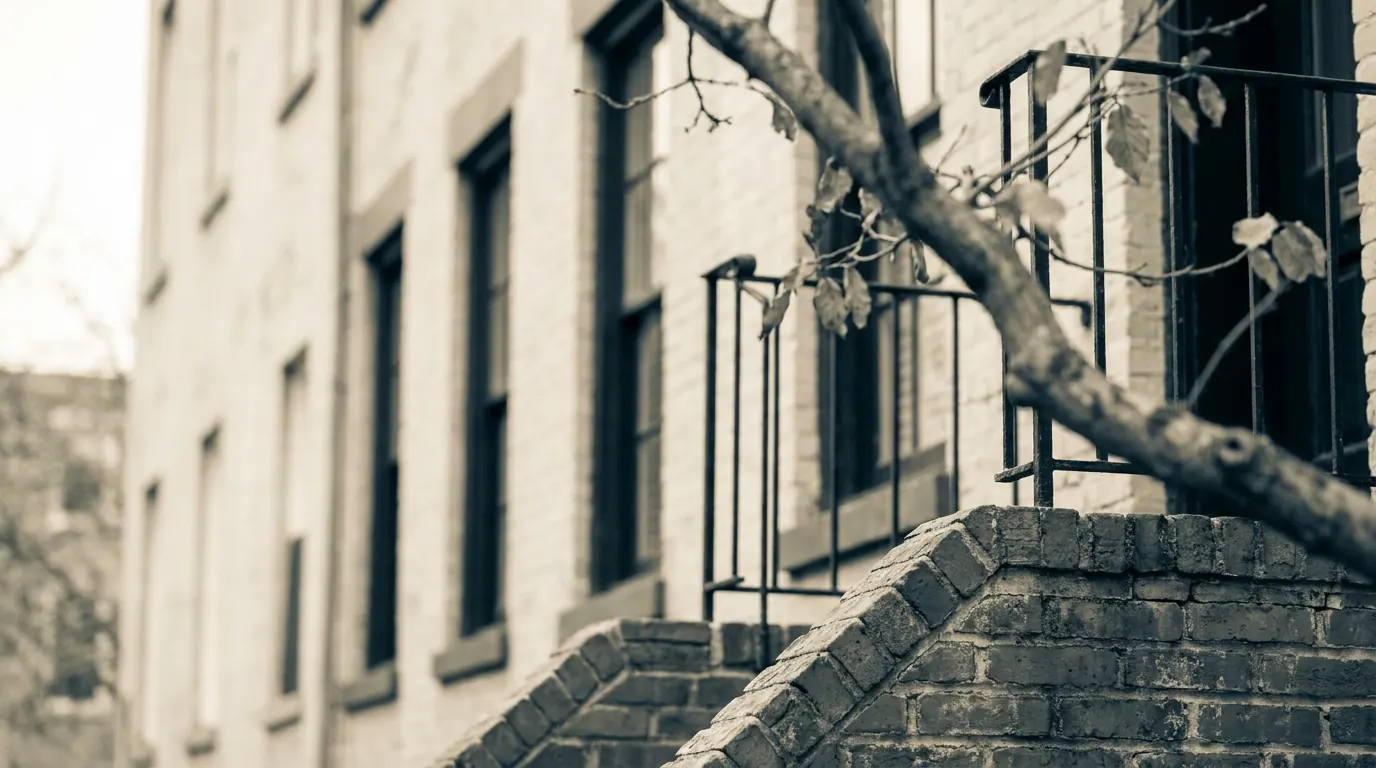
Fairmount sits just north of Center City, bordered roughly by Girard Avenue to the north, the Schuylkill River to the west, Spring Garden Street to the south, and Broad Street to the east. It's one of those neighborhoods where the bones are undeniably good — wide streets, 19th-century rowhouses, a massive park right at the edge — and the day-to-day reality of living there tends to match the expectation, which isn't always true in Philadelphia.
If you're seriously considering Fairmount, here's what you actually need to know before scheduling a showing.
The Housing Stock
Fairmount is dominated by attached brick rowhouses, most of them built between the 1870s and the 1920s. You'll find a consistent rhythm walking down blocks like Aspen Street or Mount Vernon Street — three-story homes with marble stoops, original woodwork inside, and the kind of chunky crown molding that's nearly impossible to replicate affordably today. Many have been fully renovated; others still have original kitchens and bathrooms that need work, which matters for both budget and negotiation.
The neighborhood also has a smaller supply of semi-detached twins and a handful of newer construction infill buildings, though new construction is less dominant here than in Fishtown or East Passyunk. Condos exist in converted rowhouses and a few purpose-built buildings, which gives first-time buyers or those who don't want the maintenance of a full house some options to work with.
Compared to Rittenhouse Square or Society Hill, Fairmount has historically offered more square footage for the price, though the gap has compressed over recent years as the neighborhood's profile has risen. Expect to pay a premium for anything on a particularly quiet block or within a short walk of the Art Museum.
Walkability and Getting Around
Fairmount scores extremely well for walkability. The main commercial corridor is Fairmount Avenue itself, running east-west through the neighborhood. Along it you'll find coffee shops, independent restaurants, a wine bar or two, and neighborhood staples that have been there for years. Eastern Fairmount bleeds into the Spring Garden neighborhood, which adds more dining and retail options without much of a walk.
Grocery access is decent — there are options within the neighborhood, and the Eastern State Penitentiary farmers market (seasonal, held right on Fairmount Avenue) draws strong weekend foot traffic. For a full-service grocery run, many residents drive or take a quick Uber to the Whole Foods on South Street or hit the Jefferson or Acme locations nearby.
Transit options include several SEPTA bus routes. The 7, 32, and 48 buses all connect Fairmount to Center City, and the Broad Street Line is reachable at Fairmount Station. A realistic commute to City Hall by public transit is roughly 15 to 25 minutes depending on where exactly you're coming from and the time of day. By bike, the Schuylkill River Trail is right there — it's a genuinely pleasant ride into Center City and connects south toward University City. Driving to Center City can be faster but parking on the streets, while better than in some neighborhoods, still requires patience.
Fairmount Park — one of the largest urban park systems in the country — is essentially your backyard if you live here. The Rodin Museum, the Philadelphia Museum of Art, the Barnes Foundation, and Kelly Drive are all within walking distance. That's not a selling point you can replicate in most cities, let alone most neighborhoods.
What Day-to-Day Life Actually Looks Like
The streets are quieter than neighborhoods immediately adjacent to Center City's bar scene. Weekend mornings on Fairmount Avenue feel like a neighborhood rather than a destination, which a lot of buyers specifically look for. There are regular community events, block captains are active on many streets, and the presence of Eastern State Penitentiary gives the neighborhood a distinct, memorable anchor.
Parking, as in most of Philadelphia, requires a city residential permit and some flexibility — especially on evenings and weekends when visitors to the museums and park take spots. If two-car households are a priority, that's worth factoring in before buying.
The neighborhood is flat, which matters more than people expect. Walking to the park, to the store, or to a restaurant doesn't involve any of the hill-climbing you'd deal with in Manayunk or East Falls.
Schools
Fairmount falls within the School District of Philadelphia. Rather than offer any rating or ranking — both of which change and which I'd rather not oversimplify — I'd encourage you to visit the School District of Philadelphia's website directly and talk to families currently in the neighborhood. They'll give you the most current, ground-level picture of what the options look like and how the enrollment process works for your situation.
Buying a Home in Fairmount: What the Process Looks Like
Philadelphia has some specific transaction details worth knowing before you make an offer.
Transfer Tax
Pennsylvania and the City of Philadelphia both levy a real estate transfer tax. Combined, the rate is meaningful — it's split between buyer and seller by custom, though this is negotiable. Get comfortable with what that number looks like on a home at your target price point before you fall in love with a listing. It's one of those costs that surprises buyers who are used to markets where transfer tax is minimal or nonexistent.
The Act 135 and Property Tax Abatement Landscape
Philadelphia has historically offered tax abatement programs for new construction and significant renovations. The specifics have changed over the years and continue to evolve — if you're looking at a newly built or recently renovated home in Fairmount, ask specifically whether any abatement is still active on the property and when it expires. An abatement that's about to expire can shift your effective monthly cost noticeably. Confirm current details with your agent and a local tax professional.
Financing in Fairmount
Most homes in Fairmount are standard residential transactions — conventional loans, FHA, VA if applicable. The competitive nature of the market means pre-approval is genuinely important, not just a formality. Because Alban Hoxha works in both real estate and mortgage, buyers working with Hox have the option of getting a clearer picture of what they can actually borrow before they start touring, rather than finding out later that what they want and what they qualify for are different numbers. You can get a custom buying power report here if you want to start there.
What Sellers Should Know
If you're selling in Fairmount, demand for well-maintained rowhouses in this location remains consistent. Presentation matters — buyers are often comparing your home to similar rowhouses in Spring Garden, Northern Liberties, or even Rittenhouse, so condition and staging affect how quickly you move. You'll pay a portion of transfer tax on the seller side as well, and timing relative to your next move is worth thinking through carefully. If you're curious what your home is worth, start here.
Is Fairmount Right for You?
Fairmount makes the most sense for buyers who want to be close to Center City without paying Center City prices for a rowhouse, want walkable access to parks and cultural institutions, and can work with on-street parking or don't need it much. It suits buyers who specifically want a traditional Philadelphia rowhouse over a condo or a suburban lot. If you need a garage, a large yard, or top-rated suburban school districts, the math may look different — but if those things aren't the priority, Fairmount checks a lot of boxes that are hard to find together in the same neighborhood.
If you want to explore buying elsewhere in Philadelphia for comparison, that's worth doing before you commit to any single neighborhood.
Frequently Asked Questions
How far is Fairmount from Center City Philadelphia?
Fairmount's southern edge at Spring Garden Street is roughly a 10 to 15 minute walk to the Benjamin Franklin Parkway and about 20 to 30 minutes on foot to City Hall, depending on your exact block. By bus or bike, most commutes into the core of Center City run 15 to 25 minutes. It's close enough that many residents walk for errands, dinner, and weekend plans without thinking about it.
What kind of homes are available in Fairmount?
The overwhelming majority are attached brick rowhouses, typically two to three stories, ranging from unrenovated originals to fully updated homes. There are also condo units in converted buildings and occasional newer construction. It's a neighborhood where the streetscape is cohesive and the architecture feels intentional — not a mix of construction eras the way some neighborhoods are.
Is parking difficult in Fairmount?
Parking is available on the street, and city residential permits are required. On weekday mornings you'll generally find spots. On weekend afternoons when museum visitors and park-goers arrive, it gets tighter. If having a guaranteed parking space is non-negotiable, look for properties with garage access or a deeded space — they exist in the neighborhood but are not the norm.
How does Philadelphia's transfer tax affect buyers in Fairmount?
Philadelphia's combined state and city transfer tax is one of the higher transfer tax burdens you'll encounter in the region. It's typically split between buyer and seller, but it's negotiable. On a mid-range rowhouse purchase, it's a number worth knowing before you get to closing — not a dealbreaker, but something to account for in your total cost calculation. Your agent and lender should walk you through it early in the process.
If you're thinking seriously about Fairmount — or want to compare it to other Philadelphia neighborhoods before deciding — reach out to Alban Hoxha and the team at Hox Real Estate. Alban works across both real estate and mortgage, so you can get straight answers on what you qualify for and what a specific home will actually cost you, not just the listing price. It's a different kind of conversation, and it tends to save a lot of time.
Thinking about buying here?
Get local advice and in-house pre-approval from one team.
More neighborhood guides
Buying a Home in Voorhees, NJ
Thinking about buying a home in Voorhees, NJ? Get honest, specific guidance on neighborhoods, commutes, housing types, and the NJ buying process from Hox.
Read the guide →
Moving to Mount Laurel, NJ: A Buyer's Guide
Thinking about moving to Mount Laurel, NJ? Get honest, specific advice on housing, commutes, schools, and what daily life actually looks like in this.
Read the guide →
Living in Graduate Hospital: Buyer's Neighborhood Guide
Thinking about living in Graduate Hospital Philadelphia? Get the real story on housing, commute, walkability, and what buying here actually looks like—from a.
Read the guide →