Living in Queen Village: A Buyer's Guide to South Philly's Historic Blocks
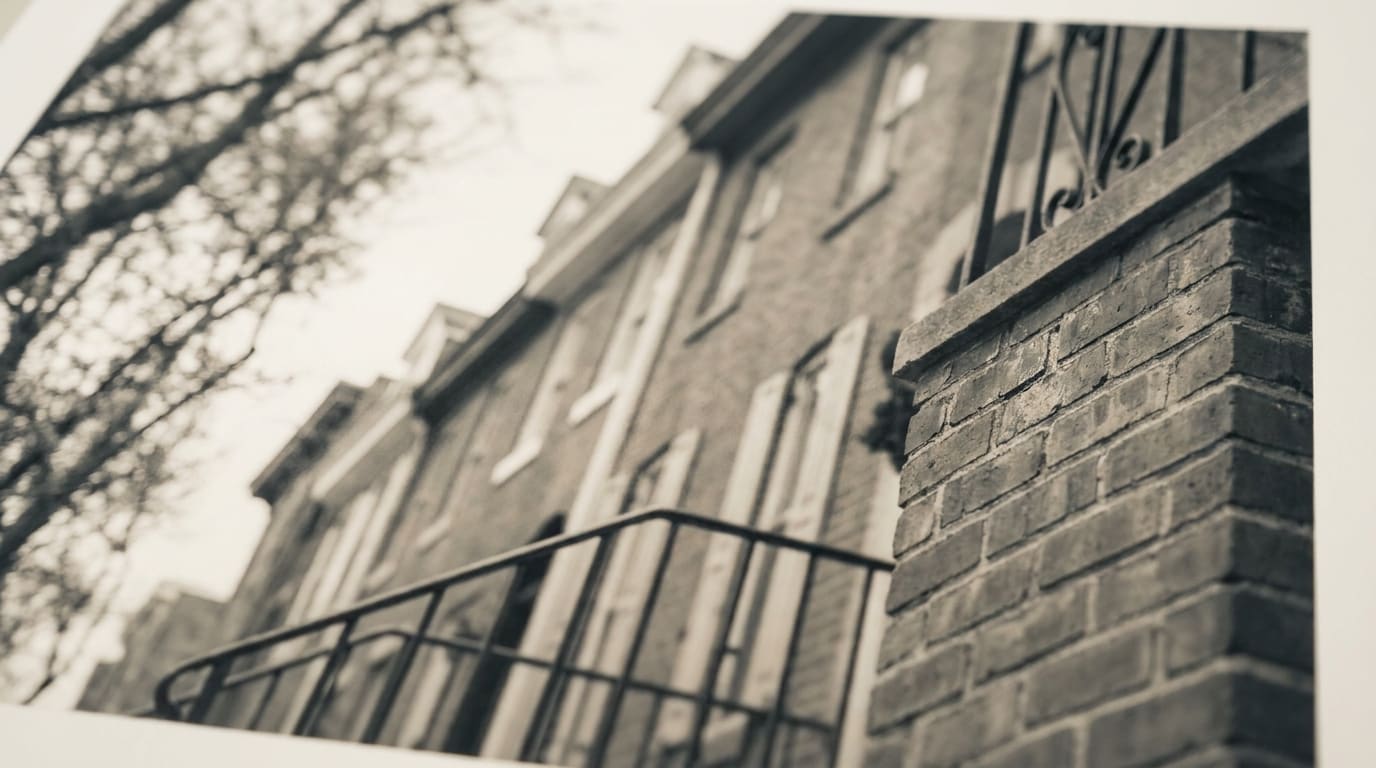
Queen Village sits just south of South Street and east of Broad, tucked between the Delaware River waterfront and the neighborhoods of Bella Vista and Pennsport. It's one of Philadelphia's oldest residential neighborhoods — Swedish settlers were here before William Penn — and that history shows up in the architecture, the street layout, and a certain lived-in permanence that newer developments can't replicate. If you're seriously considering making a move here, here's what you should actually know before you start touring.
What the housing stock looks like
Queen Village is predominantly rowhouse territory. Most of the homes are two- and three-story brick rowhouses, many of them dating to the 19th century and some even earlier. You'll see original details — wide-plank floors, exposed brick party walls, fireplaces that actually work — alongside fully gut-renovated interiors that have been opened up into modern layouts. The mix is genuinely wide: some blocks feel almost untouched, others have seen significant investment over the past few decades.
The neighborhood also has a handful of larger twins and detached properties, though those are rare and tend to move quickly when they do come up. On the newer side, there are some infill townhomes and small condo buildings, particularly closer to the waterfront and along the edges of the neighborhood. If a private garage or dedicated parking is important to you, it's worth filtering specifically for that — street parking on many blocks is competitive, and a garage can meaningfully affect your daily life here.
Outdoor space varies significantly by block and by house. Some rowhouses have been extended to the back lot line with no outdoor space at all. Others have decent rear yards or roof decks. If a yard matters to you, make sure it's on your must-have list from the start, because it's not something you can add later on most of these properties.
The main commercial streets and walkability
South Street is the northern boundary of Queen Village and it's hard to miss — it's loud, commercial, and still the kind of street that draws people from across the city on weekends. You'll find restaurants, bars, vintage shops, and music venues alongside more practical stops like pharmacies and grocery options. It's a real street with real foot traffic, not a strip mall in disguise.
Fabric Row on South 4th Street runs through the heart of the neighborhood and has evolved from its historic textile trade roots into a stretch with independent restaurants, coffee shops, and specialty retail. It gives the neighborhood a walkable, human-scaled commercial spine that's distinct from South Street's higher energy. East Passyunk, just to the west, adds another dining and shopping corridor within reasonable walking or biking distance.
Walkability here is genuinely strong. Most daily errands — groceries, coffee, dining, a hardware run — are manageable on foot. The neighborhood is flat, the blocks are short, and sidewalks are generally in decent shape. It's the kind of place where you can leave the car at home for most of the week if you choose to.
Getting around: commutes and transit
Queen Village is close to Center City — close enough that many residents walk or bike to work downtown. On foot, you're looking at roughly 20 to 30 minutes to reach most of Center City depending on where you're headed. By bike, that shrinks considerably. SEPTA bus routes serve the neighborhood, and the Market-Frankford Line (the El) is accessible within a reasonable walk or bus ride, connecting you quickly to University City, 30th Street Station, and points west.
For drivers, I-95 is accessible nearby, which makes this a reasonable base for anyone commuting south toward Delaware or north toward Bucks County, though traffic on I-95 through the city during peak hours is real and worth accounting for. If you work in Center City and don't need a car daily, Queen Village's location is a genuine asset.
Philadelphia has an expanding network of protected bike lanes, and the Schuylkill River Trail and the Delaware River Trail are both within reach for recreational riding or bike commuting.
What the neighborhood suits, practically speaking
Queen Village tends to appeal to buyers who want walkability, older architecture, a short commute to Center City or the waterfront, and the texture of an established urban neighborhood. It's well-suited to buyers comfortable with rowhouse living and the realities that come with it: shared walls, limited parking, and older mechanicals that may need attention. If you want a yard, you'll need to be specific about that in your search. If a quieter block and a slightly more residential feel matters, there are pockets of Queen Village — particularly toward the east end near Weccacoe Playground — that offer exactly that.
Buying in Queen Village: what the process looks like in Philadelphia
Philadelphia has some specific realities that buyers should understand before making an offer. The city imposes a real estate transfer tax that is higher than most surrounding municipalities — it's split between buyer and seller but is a meaningful line item in your closing costs, and it's worth understanding upfront so it doesn't catch you off guard. Philadelphia also has a wage tax and property tax structure that is distinct from the suburbs; your buyer's agent and your mortgage advisor should walk you through both.
Because Alban Hoxha at Hox Real Estate works in both real estate and mortgage, he can help you see the full financial picture in one conversation — what you qualify for, what the closing costs actually look like, and how the Philadelphia transfer tax and property tax affect your monthly and annual costs. That kind of integrated view is useful in a market where the details matter.
Many Queen Village homes are older, which means a thorough inspection is important. Pay particular attention to roofing, plumbing (knob-and-tube wiring and old galvanized pipes are not unusual in homes of this age), and foundation. If a home has been renovated, ask for permits — unpermitted work can create complications at resale. Some blocks in Philadelphia have deed restrictions or historic considerations that affect what you can change about the exterior; your agent should flag these.
If you're coming from New Jersey or considering a dual-city search, the buying process is meaningfully different across the river. New Jersey transactions include a mandatory attorney review period after a contract is signed, which does not exist in the same form in Pennsylvania. Understanding those differences early helps you move confidently when you find the right place.
You can get a head start on understanding your budget by requesting a custom buying power report from Hox Real Estate — it's a practical tool that shows what you can actually afford based on your specific situation, not a generic calculator estimate.
Schools in Queen Village
Queen Village is served by the School District of Philadelphia. Rather than relying on third-party ratings, we'd encourage you to visit the School District of Philadelphia website directly for current enrollment information, school assignments, and any special admission programs. Talking to families who are currently in the district — which you can do naturally by spending time in the neighborhood — will give you a ground-level sense of what the experience is actually like.
Frequently asked questions
Is Queen Village a good place to buy right now?
That depends on your specific situation — your budget, your timeline, and what you're looking for in a home. What we can say is that Queen Village has historically held its value well relative to other close-in Philadelphia neighborhoods, largely because the housing stock is limited and the location is genuinely convenient. Whether the current market timing makes sense for you is a conversation worth having with a local agent and a mortgage advisor who can look at your actual numbers.
How much does parking cost if I don't have a garage?
Street parking in Queen Village is residential permit parking in most areas, which requires a City of Philadelphia residential permit. There are also some private lots and garages in and near the neighborhood that offer monthly leases, though availability and pricing shift over time. If a car is central to your life, factor parking into your housing search — either by prioritizing homes with a garage or a deeded parking space, or by budgeting for a monthly lease nearby.
Are there condos available in Queen Village, or is it mostly rowhouses?
There are condos in Queen Village, but they make up a smaller share of the market than rowhouses. Condo buildings tend to be smaller — converted rowhouses with two or three units, or modest infill buildings — rather than large high-rise developments. If condo ownership appeals to you, make sure you review the condo association documents carefully; in a small building, the financial health and rules of the association matter more than they might in a larger professionally managed building.
Can I tour Queen Village before committing to a search there?
Absolutely, and you should. Spend time on different blocks, at different times of day and on different days of the week. Walk from the neighborhood to wherever you'd commute. Grab coffee on 4th Street, walk down to the waterfront, and get a feel for how the neighborhood actually functions. Real estate decisions are better when they're grounded in direct experience, not just photos and maps.
If you're ready to take the next step — whether that's understanding your budget, scheduling tours, or getting a real sense of what's available in Queen Village right now — reach out to Alban Hoxha and the team at Hox Real Estate's Philadelphia buyer page. Alban brings both real estate and mortgage expertise to the table, which means you get clear answers across the full process, not just the search. Start with a buying power report and go from there.
Thinking about buying here?
Get local advice and in-house pre-approval from one team.
More neighborhood guides
Buying a Home in Voorhees, NJ
Thinking about buying a home in Voorhees, NJ? Get honest, specific guidance on neighborhoods, commutes, housing types, and the NJ buying process from Hox.
Read the guide →
Living in Fairmount: What Buyers Should Know
Thinking about living in Fairmount, Philadelphia? Get an honest look at housing, commute times, walkability, and what it's really like to call this.
Read the guide →
Moving to Mount Laurel, NJ: A Buyer's Guide
Thinking about moving to Mount Laurel, NJ? Get honest, specific advice on housing, commutes, schools, and what daily life actually looks like in this.
Read the guide →