Living in Graduate Hospital: Buyer's Neighborhood Guide
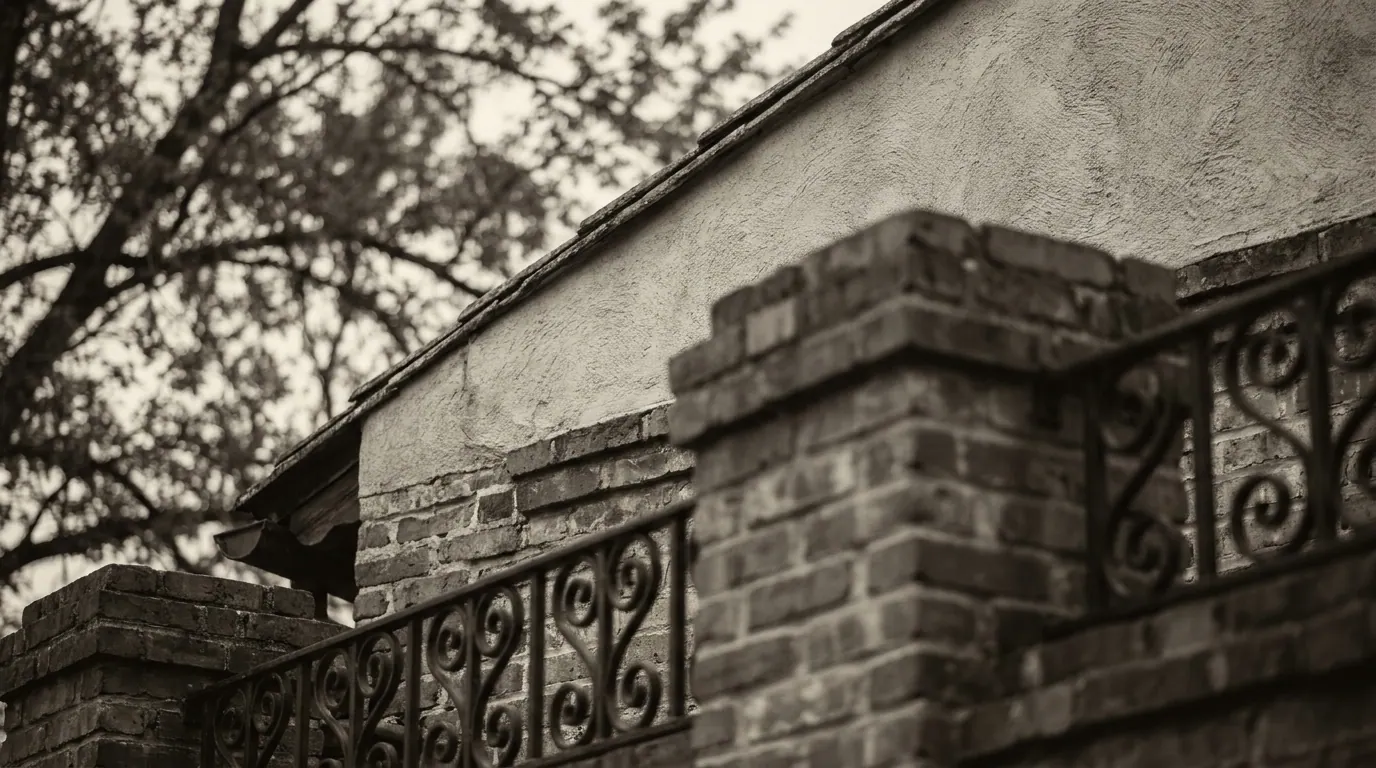
Graduate Hospital sits just south of South Street, west of Broad, and it has quietly become one of the more sought-after pockets in Philadelphia over the past decade. If you're weighing a move here, this is the honest rundown—what the neighborhood actually looks like, what you'll pay attention to, and what the buying process involves in Pennsylvania.
The Housing Stock: What You're Actually Looking At
Graduate Hospital is almost entirely rowhouses. We're talking the classic Philadelphia trinity and two-story brick rowhouse on tree-lined streets, plus a healthy number of three-story rowhomes that have been renovated top to bottom—exposed brick in the kitchen, roof decks, open floor plans, the works. You'll also find a scattering of newer construction condos and the occasional converted larger building, but the dominant feel is rowhouse Philadelphia. If you want a detached single-family with a yard, this is not your neighborhood. If you want walkable, low-maintenance, and dense urban living, it fits.
Many homes here were renovated during the building boom of the 2010s and early 2020s. That means you'll see a mix: some properties were done with real care and quality finishes, others were flipped quickly and may need attention sooner than buyers expect. When you're touring, pay close attention to the mechanicals—HVAC systems, water heaters, and roof condition—because the exterior charm can mask deferred maintenance underneath.
Condos and newer construction do exist, particularly closer to Washington Avenue. Some buildings offer amenities like secure parking and common outdoor space, which can be attractive if you're coming from a suburb and aren't ready to fully let go of a dedicated parking spot.
Getting Around: Commute and Walkability
Graduate Hospital is genuinely walkable. The Walk Score in this area is high enough that most daily errands are doable on foot, and the street grid is easy to navigate. Broad Street runs along the eastern edge, which gives you immediate access to the Broad Street Line—one of SEPTA's subway lines running straight into Center City. From stations like Ellsworth-Federal, you can be at City Hall in under ten minutes during most times of day. That is one of the real practical advantages of this location.
Biking is popular here. The streets are relatively flat, and Center City is close enough that cycling is a legitimate daily commute option rather than just a weekend activity. Many residents keep a bike as their primary way to get around within the city.
Driving to Center City is only a few minutes by car, though parking in the neighborhood itself is street parking and can require patience depending on the block and time of day. If you have a car and keeping it is a priority, factor parking into your housing search—some rowhouses have garage conversions in the back, and some newer condo buildings offer deeded parking spots.
Bus service covers the neighborhood as well. The 17 and other SEPTA routes run through here and connect to a wider range of destinations. For anyone commuting to University City—Penn, Drexel, CHOP—the neighborhood is well-positioned, as it sits between Center City and the University City corridor.
The Commercial Corridor and Day-to-Day Life
South Street forms the northern border and is one of Philadelphia's best-known commercial strips. It's eclectic—restaurants, bars, shops, music venues, and a mix of independent businesses alongside regional chains. It can be lively on weekend nights, which is great if you want that energy close by, and worth considering if you're a light sleeper and looking at homes right on or very close to that corridor.
Washington Avenue, to the south, has its own commercial character—larger format stores, furniture shops, and a growing number of restaurants and small businesses. It's a different vibe than South Street, more utilitarian in places, but it's evolving.
Within the neighborhood itself, East Passyunk Avenue is easily accessible and is one of Philadelphia's genuinely excellent dining and small business corridors. Rittenhouse Square is a short walk or bike ride. The Italian Market on 9th Street is close enough for regular grocery runs if that's your thing.
For grocery shopping, there are options within a reasonable walking distance, though residents tend to have a preferred spot and the choices have expanded in recent years.
Who the Neighborhood Suits
If your commute is centered on Center City, University City, or anywhere along the Broad Street Line, the location is genuinely convenient. If low-maintenance urban living in a classic Philadelphia rowhouse is what you're after—and you don't need a yard or a garage—the housing stock fits. If walkable access to restaurants, coffee shops, and independent retail matters to your daily life, the area delivers. If you need a large detached home with significant outdoor space, you'll need to look elsewhere.
Schools
Graduate Hospital is served by the School District of Philadelphia. Rather than repeat secondhand information about specific schools or ratings—which change and are best evaluated directly—we'd encourage you to visit the School District of Philadelphia website for current enrollment information, and to speak with families who live in the area. School assignments can depend on your specific address, and the district has both neighborhood schools and a citywide special admissions process worth understanding.
Buying a Home in Graduate Hospital: The Pennsylvania Process
Pennsylvania is not an attorney-review state the way New Jersey is—you don't have a mandatory attorney review period built into the transaction. That said, hiring a real estate attorney is something many buyers choose to do, and it's worth understanding what you're agreeing to before you sign anything.
Philadelphia has its own transfer tax structure on top of Pennsylvania's, and the combined rate is meaningful. At closing, both buyer and seller typically contribute, though who pays what is negotiable and spelled out in the Agreement of Sale. This is not a small line item—it's worth understanding before you make an offer so there are no surprises at the closing table.
Philadelphia also has an Act 77 tax abatement program—historically one of the more discussed topics for new construction and renovation purchases in this city. The structure of that program has changed in recent years and continues to evolve politically and legislatively. Whether a property you're considering still carries abatement, and what the tax picture looks like when it expires, is a real financial consideration. Confirm the current details with your agent and accountant.
Mortgage financing in this area is standard conventional territory. FHA and conventional loans both work here. Because Alban Hoxha works in mortgage as well as real estate, the team at Hox can walk you through your actual financing options without bouncing you to a separate lender relationship. Getting a real read on your buying power before you start making offers is especially important in a competitive market. You can request a custom buying power report here.
For sellers, pricing in Graduate Hospital requires understanding the difference between a renovated rowhouse, a well-maintained original, and a property that needs work—because buyers are paying attention to that distinction. If you're thinking about listing, reach out here to talk through what your home is worth in the current market.
Frequently Asked Questions
Is Graduate Hospital good for parking?
Parking is street parking only for most of the neighborhood, and availability varies by block, time of day, and season. Some homes have rear access with garage conversions or parking pads. If keeping a car is important to you, ask specifically about parking when touring any property. Some condo buildings offer deeded parking, which is worth paying attention to if that matters.
How far is Graduate Hospital from Center City?
It's close. By subway (Broad Street Line), you can reach City Hall in roughly ten minutes or less from the Ellsworth-Federal station. By bike, most Center City destinations are a ten-to-fifteen minute ride. By car, the drive is short but traffic on Broad Street and South Street can slow things down during peak hours. Overall, it's one of the more convenient Philadelphia neighborhoods for a Center City commute.
What kind of homes are available in Graduate Hospital?
The majority are rowhouses—ranging from unrenovated originals to fully gut-renovated properties with modern finishes and roof decks. There are also condos and a smaller number of newer construction units closer to Washington Avenue. Detached single-family homes with yards are essentially not part of the housing stock here. Most properties are two to three stories with basements and relatively small outdoor spaces like rear yards or decks.
What should I know about Philadelphia transfer taxes before buying here?
Philadelphia buyers face a combined city and state transfer tax that is notably higher than most surrounding counties. Both buyer and seller typically share this cost, but it's negotiable in the Agreement of Sale. On a home purchase in this price range, the number adds up quickly—factor it into your total closing cost estimate early in the process. Your agent and mortgage professional should be able to give you a rough closing cost worksheet before you make an offer.
If you're seriously looking at Graduate Hospital or anywhere in Philadelphia, the team at Hox Real Estate works with Philadelphia buyers and can give you a straight answer on what the market looks like right now. Reach out to Alban directly—between the real estate and mortgage side, you can get your questions answered without the runaround.
Thinking about buying here?
Get local advice and in-house pre-approval from one team.
More neighborhood guides
Buying a Home in Voorhees, NJ
Thinking about buying a home in Voorhees, NJ? Get honest, specific guidance on neighborhoods, commutes, housing types, and the NJ buying process from Hox.
Read the guide →
Living in Fairmount: What Buyers Should Know
Thinking about living in Fairmount, Philadelphia? Get an honest look at housing, commute times, walkability, and what it's really like to call this.
Read the guide →
Moving to Mount Laurel, NJ: A Buyer's Guide
Thinking about moving to Mount Laurel, NJ? Get honest, specific advice on housing, commutes, schools, and what daily life actually looks like in this.
Read the guide →